
The back is comprised of many interlocking bones, discs, ligaments, tendons and nerves, and sometimes it can be difficult to identify a single cause of back pain. When a specific cause is identified, it usually stems from an abnormality that is quite small. With traditional spine surgeries, sometimes healthy body tissues must be cut and large incisions are required to obtain the visibility needed to correct the problem.
Resources
dedicated to excellence.
Orthopaedics
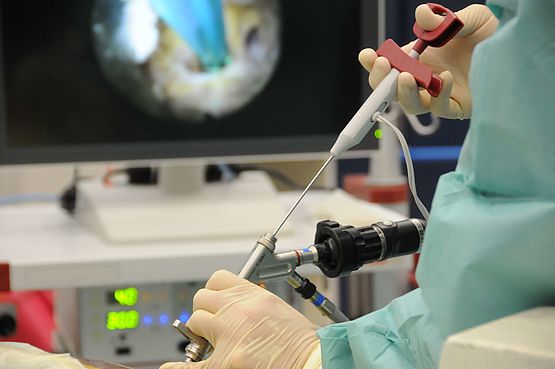
ENDOSPINE SURGERY
The Endoscope: “Smaller than your finger”
KNEE REPLACEMENT
SPECIFIC TOTAL KNEE REPLACEMENT IMPLANTS
A knee replacement, or knee arthroplasty, is surgery that replaces a diseased or injured knee joint by with an artificial joint or implant. People usually receive knee replacements when arthritis causes severe knee pain and inflammation. knee fracture and natural wear-and-tear are also common reasons for knee replacement surgery.
Knee replacements help millions of people regain mobility and find relief from joint pain, but knee replacement surgery is accompanied by some risk and requires months of recovery.
.
HIP REPLACEMENT
A hip replacement, or hip arthroplasty
A hip replacement, or hip arthroplasty, is surgery that replaces a diseased or injured hip joint by with an artificial joint or implant. People usually receive hip replacements when arthritis causes severe hip pain and inflammation. Hip fracture and natural wear-and-tear are also common reasons for hip replacement surgery.
Hip replacements help millions of people regain mobility and find relief from joint pain, but hip replacement surgery is accompanied by some risk and requires months of recovery.
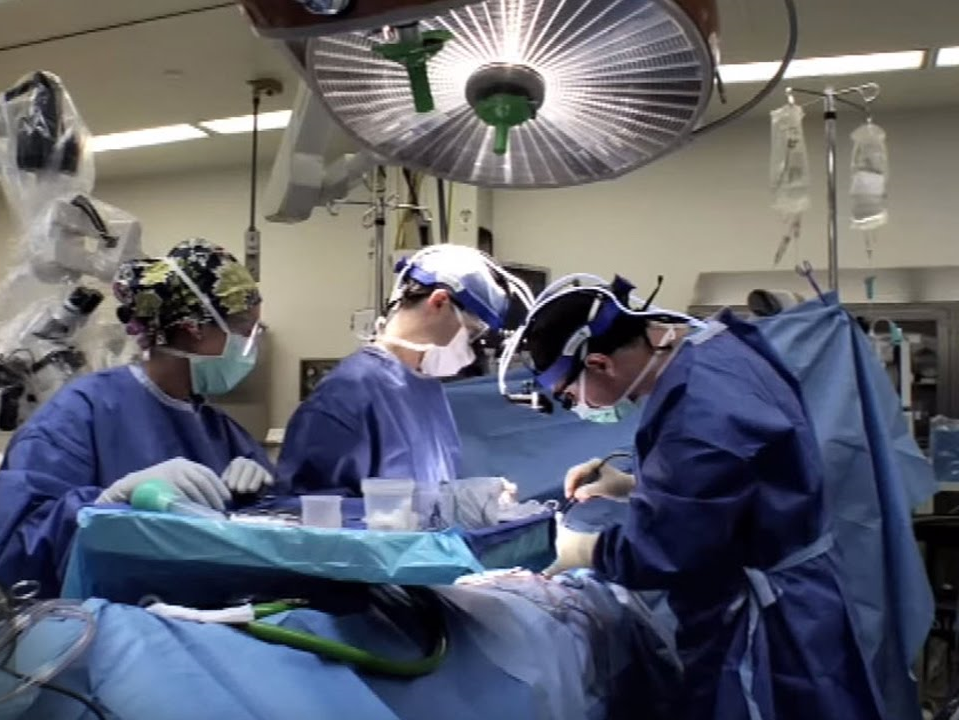
Trauma Care Treatments
- Fracture , Accident Management & Trauma care
- Difficult & Complex Trauma
- Nonunion/ Malunion of fracture
- Pelvic Acetabular Trauma
- Knee Surgery
- Shoulder Surgery
- Faciomaxillary Surgery
- Plastic and reconstructive Surgery.
- Hand And Microvascular Surgery
- Congenital Malformation of extremities
- Previously failed Orthopedic operation
- Bone Tumours
- Spine Surgery
- Polio Surgery
- Well Equipped Physiotherapy Center
- and more…
Radiology
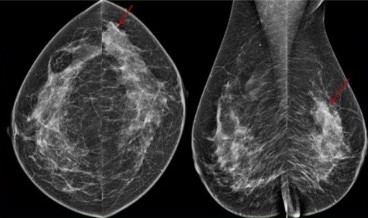
Digital Mammography
There are several types of these imaging tests
the process of using low-energy X-Rays (usually around 30 kVp) to examine the human breast for diagnosis and screening. The goal of mammography is the early detection of breast cancer, typically through detection of characteristic masses or microcalcification. Mammography has a false-negative (missed cancer) rate of at least ten percent. This is partly due to dense tissue obscuring the cancer and the appearance of cancer on mammograms having a large overlap with the appearance of normal tissue. A meta-analysis review of programs in countries with organized screening found a 52% over-diagnosis rate.
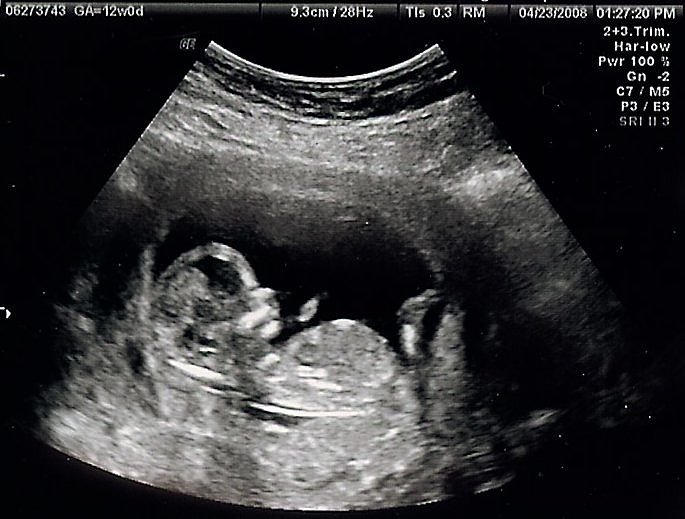
Digital Sonography
Sonography is effective for imaging soft tissues of the body. Superficial structures such as muscle, tendon, testis, breast, thyroid and parathyroid glands, and the neonatal brain are imaged at higher frequencies (7–18 MHz), which provide better linear (axial) and horizontal (lateral) resolution. Deeper structures such as liver and kidney are imaged at lower frequencies (1–6 MHz) with lower axial and lateral resolution as a price of deeper tissue penetration. A general-purpose ultrasound transducer may be used for most imaging purposes but some situations may require the use of a specialized transducer. Most ultrasound examination is done using a transducer on the surface of the body, but improved visualization is often possible if a transducer can be placed inside the body. For this purpose, special-use transducers, including endovaginal, endorectal, and transesophageal transducers are commonly employed. At the extreme, very small transducers can be mounted on small diameter catheters and placed within blood vessels to image the walls and disease of those vessels.
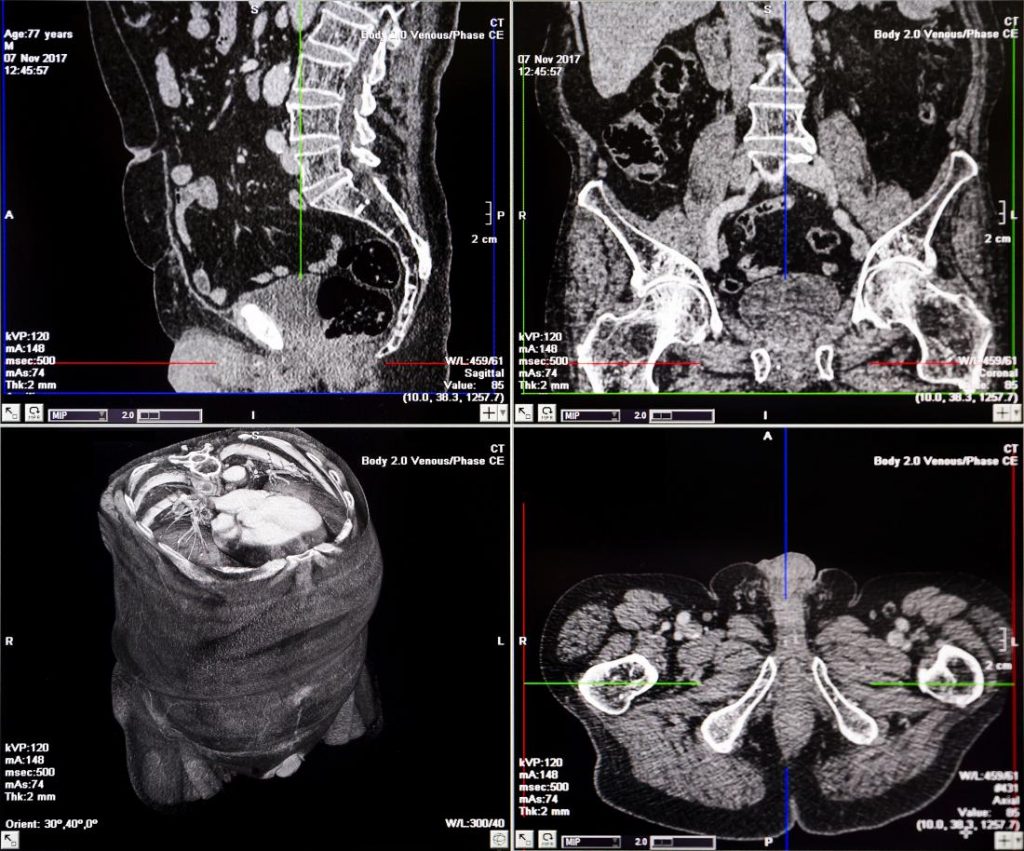
CT – Scan
A CT scan is a medical imaging technique used to get detailed images of the body noninvasively for diagnostic purposes. The personnel that perform CT scans are called radiographers or radiology technologists. CT scanners use a rotating x-ray tube and a row of detectors placed in the gantry to measure X-ray attenuations by different tissues inside the body. The multiple X-ray measurements taken from different angles are then processed on a computer using reconstruction algorithms to produce tomographic (cross-sectional) images (virtual “slices”) of a body. The use of ionizing radiations sometimes restricts its use owing to its adverse effects. However, CT can be used in patients with metallic implants or pacemakers where MRI is contraindicated. CT scanning has several advantages over traditional two-dimensional medical radiography. First, CT eliminates the superimposition of images of structures outside the area of interest. Second, CT scans have greater image resolution, enabling examination of finer details. CT can distinguish between tissues that differ in radiographic density by 1% or less. Third, CT scanning enables multiplanar reformatted imaging: scan data can be visualized in the transverse (or axial), coronal, or sagittal plane, depending on the diagnostic task.
Digital Radiography
First in Jalgaon District
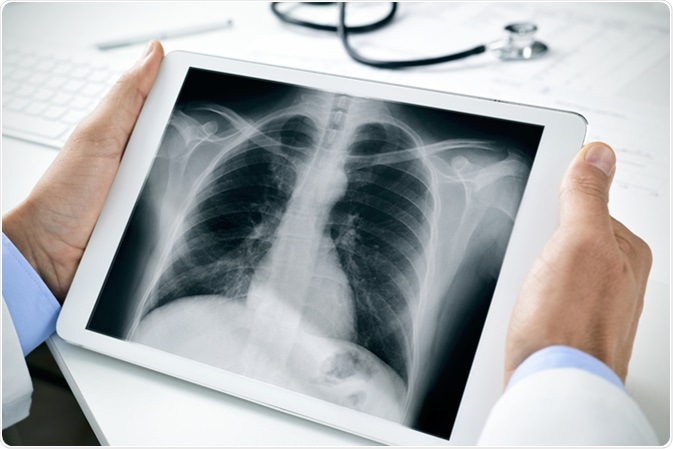
Digital radiography is fast and accurate form of radiography that uses x-ray–sensitive plates to directly capture data during the patient examination, immediately transferring it to a computer system without the use of an intermediate cassette. Advantages include time efficiency through bypassing chemical processing and the ability to digitally transfer and enhance images. Also, less radiation can be used to produce an image of similar contrast to conventional radiography. Instead of X-ray film, digital radiography uses a digital image capture device. This gives advantages of immediate image preview and availability; elimination of costly film processing steps; a wider dynamic range, which makes it more forgiving for over- and under-exposure; as well as the ability to apply special image processing techniques that enhance overall display quality of the image.
We specialize in providing quality services in Orthopaedics and Joint Replacement in Jalgaon. Highly skilled, experienced and specialist by training Dr. Vinod Jain strives to offer best & consistent patient care services. Some of our treatments and procedures include Joint Replacement Surgery, Total knee replacement surgery, Total hip replacement surgery, Hip Replacement Surgery, Arthroscopy, Arthritis treatment, ACL Reconstruction, Arthritis Management and knee replacement.
Dr. Vinod has introduced Knee Replacement Surgery in Jalgaon and this is the future of knee replacement surgery.
Some of the key advantages of Knee Replacement Surgery are:-
- Less Blood Loss
- Less post-Operation Pain
- Less Hospital Stay
- Early Recovery
Our team of experts and supportive staff believes in providing care which is personalized to each patient’s unique needs.
Explore our site to know more about our facilities, get reliable health information & connect with us instantly. You can ask us health questions or consult with us remotely & securely. We look forward to meeting, inform and serve you dedicatedly in your health & well-being needs.
Copyright 2021 all rights reserved
Designed by Brand Quube
 English
 Hindi
Hindi Marathi
 Serbian